Understanding growth mindset fixed mindset and How It Shapes Behaviour
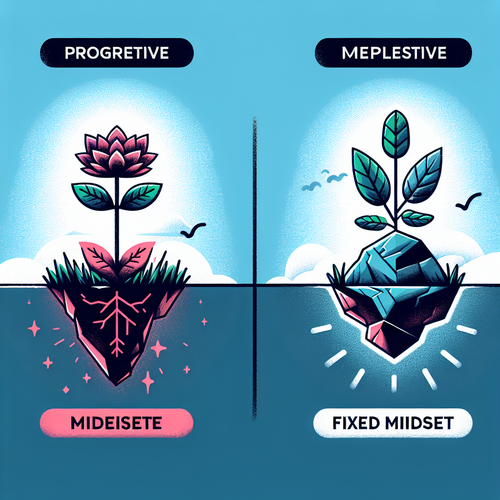

The concepts of “growth mindset” and “fixed mindset,” popularized by psychologist Carol Dweck, describe how individuals perceive their abilities and intelligence. When people speak of these mindsets, they often refer to how attitudes towards challenges and learning can significantly affect success and personal development. However, many individuals find the discussion around these mindsets somewhat abstract or incomplete, leading to confusion about how to implement these ideas in real life. This article aims to clarify these concepts, explain why some people struggle with them, and provide a detailed framework to understand how shifts in mindset can lead to meaningful changes in behavior and thinking.
What growth mindset fixed mindset Actually Means
A **growth mindset** is the belief that abilities and intelligence can be developed through effort, learning, and persistence. In contrast, a **fixed mindset** is the belief that abilities and intelligence are static traits that cannot change. This means that a person with a growth mindset is more likely to embrace challenges and see failures as opportunities for learning, while someone with a fixed mindset may avoid challenges to prevent failure and view setbacks as personal deficiencies.
It’s important to note that having a growth mindset does not mean that everyone will excel equally in every domain. Rather, it emphasizes the potential for growth in individuals who dedicate time and energy to improving their skills. A common misconception is that a growth mindset requires being positive all the time; in reality, it involves recognizing weaknesses and working to improve them, rather than simply adopting a sunny disposition.
Why People Struggle With growth mindset fixed mindset
Understanding the difference between growth and fixed mindsets involves examining psychological and emotional factors. People often resist embracing a growth mindset because of a fear of failure or a desire for validation. When they perceive challenges, their fixed mindset can lead them to feel threatened, prompting anxiety that reinforces avoidance behavior.
This struggle with mindset can be explained through cause and effect: when someone with a fixed mindset encounters a setback, their immediate reaction might be self-doubt, leading to a withdrawal from future challenges. This creates a cycle where failure is not viewed as a stepping stone but as confirmation of their limitations, thus perpetuating the fixed mindset.
How growth mindset fixed mindset Actually Works
When an individual shifts from a fixed mindset to a growth mindset, several cognitive and emotional processes occur. At a fundamental level, this is about changing one’s internal narrative. For instance, instead of saying, “I’m just not good at math,” a person practicing a growth mindset might say, “I can improve my math skills with practice and effort.” This shift encourages resilience.
An analogy for this process is that of a muscle: just as muscles grow stronger with exercise and resistance, the mind can develop new connections and capabilities when challenged. Technical terms like “neuroplasticity” describe this brain’s ability to form new neural pathways. This works because learning new skills actually alters the brain, reinforcing the idea that personal abilities can evolve over time.
A Practical Framework for Understanding growth mindset fixed mindset
A useful framework for understanding the growth and fixed mindsets is the **Mindset Model**, which can be broken down into four stages:
1. **Awareness**: Identifying one’s current mindset by reflecting on responses to challenges and failures.
2. **Acceptance**: Acknowledging that mindset can change and that effort can lead to improvement.
3. **Adoption**: Actively practicing a growth mindset by seeking challenges and learning from mistakes.
4. **Advocacy**: Supporting others in their journey toward a growth mindset, solidifying one’s own understanding through teaching.
People typically move through these stages over time, often cycling back to earlier stages as they confront new challenges and experiences.
What Changes When growth mindset fixed mindset Starts Working
When a growth mindset starts taking hold, individuals notice changes in several areas. Their thinking becomes more adaptive—they begin to interpret failures as learning experiences rather than as a reflection of their self-worth. Emotions such as frustration may be met with curiosity, leading to a greater willingness to engage in challenging tasks. Behaviorally, individuals may seek out opportunities for growth, collaborate more effectively, and persevere in the face of difficulties.
Common Misconceptions About growth mindset fixed mindset and Why They Fail
1. **Myth:** A growth mindset means I’ll always succeed.
– **Why It Fails:** Growth does not guarantee immediate success; it emphasizes effort and progression, not perfection.
2. **Myth:** You either have a growth mindset or you don’t.
– **Why It Fails:** Mindsets can vary by context; a person may have a growth mindset in one area but a fixed mindset in another.
3. **Myth:** Only failure matters to develop a growth mindset.
– **Why It Fails:** Success and effort also cultivate a growth mindset, as recognizing progress reinforces learning.
4. **Myth:** Everyone will want to adopt a growth mindset.
– **Why It Fails:** Different individuals have varying motivations and may resist changing their mindset based on fear or comfort.
5. **Myth:** Growth mindset is just about trying harder.
– **Why It Fails:** It also involves strategic learning and self-reflection, not just increased effort.
Frequently Asked Questions About growth mindset fixed mindset
1. **What is a growth mindset?**
– A growth mindset refers to the belief that abilities and intelligence can be developed through dedication and hard work.
2. **What is a fixed mindset?**
– A fixed mindset is the belief that intelligence and abilities are static traits that cannot change.
3. **How can I develop a growth mindset?**
– You can develop a growth mindset by seeking challenges, embracing failures as learning opportunities, and reflecting on your progress.
4. **Why is it important to have a growth mindset?**
– A growth mindset fosters resilience, motivates learning, and can lead to greater success in various aspects of life.
5. **Can you have a growth mindset in some areas but a fixed mindset in others?**
– Yes, individuals can exhibit different mindsets in different contexts or subjects, such as being growth-oriented in academics while having a fixed mindset in sports.
6. **How does a growth mindset affect learning?**
– A growth mindset positively affects learning by encouraging perseverance, curiosity, and a willingness to take risks in the learning process.
7. **What are the signs of a fixed mindset?**
– Signs of a fixed mindset include avoiding challenges, giving up easily, and feeling threatened by the success of others.
8. **Can a fixed mindset be changed?**
– Yes, through conscious effort, self-awareness, and practice, individuals can shift from a fixed mindset to a growth mindset.
9. **What if I try to adopt a growth mindset but struggle?**
– It’s common to face challenges during this journey. Acknowledging struggles as part of the learning process is key to developing a growth mindset.
10. **Why do some people resist the idea of a growth mindset?**
– Resistance often stems from fear of failure, a desire for validation, or a misunderstanding of what a growth mindset entails.
Conclusion
In summary, understanding the distinction between growth and fixed mindsets reveals how our perceptions of ability can shape our behaviors and outcomes. A growth mindset encourages adaptive thinking and resilience, while a fixed mindset can create cycles of avoidance and self-doubt. Recognizing these mindsets is the first step toward meaningful change, emphasizing that our abilities can evolve through effort and learning.
