Understanding Fixed Mindset and How It Shapes Behaviour
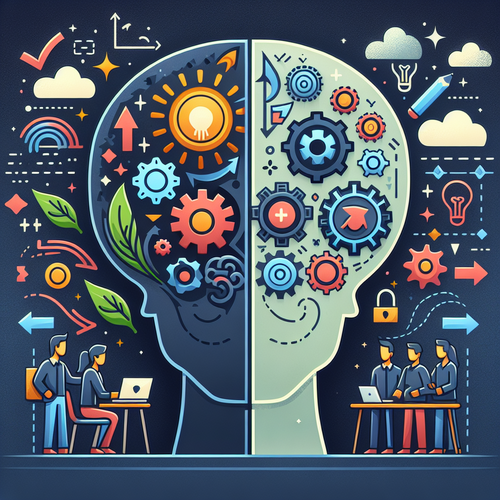

A “fixed mindset” is a term coined by psychologist Carol Dweck to describe a specific belief about abilities and intelligence. When people refer to a fixed mindset, they generally mean the belief that our talents and capabilities are static and unchangeable. This perspective can lead to various challenges in personal and professional growth. Many individuals may feel limited by this viewpoint, leading to a fear of failure and avoidance of challenges. However, common advice surrounding fixed mindset often feels incomplete, as it may not address the underlying psychological mechanisms that contribute to this way of thinking. Understanding what a fixed mindset truly means and recognizing its impact is crucial for anyone looking to improve their ability to learn and adapt.
What Fixed Mindset Actually Means
A fixed mindset is the belief that our intelligence, talents, and abilities are inherently fixed traits. People with a fixed mindset think that effort will not significantly change their capabilities or outcomes. This is in contrast to a “growth mindset,” where individuals believe they can develop their abilities through dedication and hard work.
What a fixed mindset is NOT is simply a preference for routine or stability. It is specifically about a belief in the immutability of one’s intelligence and abilities. A common misunderstanding is that having a fixed mindset means a person is not intelligent or capable; instead, it means they don’t believe they can improve their capabilities, which can lead to self-limiting behaviours.
Why People Struggle with Fixed Mindset
People may struggle with a fixed mindset due to various psychological, emotional, and behavioral factors. First, the fixed mindset is often rooted in fear—fear of failure, judgment, and the consequences of making mistakes. When individuals believe their abilities are unchangeable, they may avoid challenges that could lead to failure.
This leads to a lack of resilience; if they encounter a setback, they may interpret it as a reflection of their inherent limitations, rather than an opportunity for growth. As a result, this mindset can create a cycle of avoidance and stagnation. Failure to develop flexibility in thinking can hinder emotional growth and adaptive behaviours, making it difficult to tackle new challenges.
How Fixed Mindset Actually Works
Beneath the surface, a fixed mindset operates through core beliefs about oneself. For instance, individuals may have internal dialogues that sound like, “I’m just not good at math,” reinforcing their belief that improvement is impossible. This leads to a self-fulfilling prophecy where the expectation of failure inhibits attempts to develop skills or learn.
An analogy to illustrate this concept involves the difference between being ascribed a fixed descriptor, like calling someone “a bad singer,” versus someone who views singing as a skill that can improve over time. The first person may never try singing in front of others because they believe it’s an innate inability, while the second person is more likely to practice and refine their skills.
A Practical Framework for Understanding Fixed Mindset
A useful model for understanding fixed mindset is the “Developmental Spectrum,” which breaks down mindset into three stages:
1. **Recognition**: Individuals start to acknowledge their fixed beliefs about their abilities. They might say things like, “I’ll never understand science.”
2. **Reflection**: They reflect on how these beliefs are affecting their actions—such as avoiding subjects they find difficult.
3. **Reframing**: Finally, they start to challenge these beliefs, learning to view mistakes as opportunities for growth. This shift can lead to greater resilience and openness to learning.
Most people move through these stages over time but may revert back to earlier stages when faced with significant challenges.
What Changes When Fixed Mindset Starts Working
When a fixed mindset begins to shift toward a growth mindset, individuals notice significant changes in their thinking, emotional responses, and behaviours. This transition often leads to increased willingness to embrace challenges, reduced fear of failure, and a more positive outlook on learning.
People may also experience lower anxiety levels related to performance, as they start to view setbacks as part of the learning process rather than reflections of their self-worth. Consequently, they are likely to engage more actively in learning opportunities, seek feedback, and persist in the face of obstacles.
Common Misconceptions About Fixed Mindset and Why They Fail
1. **Myth: A fixed mindset means a lack of intelligence.** Reality: It reflects beliefs about intelligence, not the intelligence itself.
2. **Myth: People with a fixed mindset cannot change.** Reality: Change is possible, but it requires conscious effort to reframe beliefs.
3. **Myth: Fixed mindset only affects academic performance.** Reality: It can impact all areas of life, including relationships and career choices.
4. **Myth: Having a fixed mindset is the same as being stubborn.** Reality: It’s a deeper belief about self-worth and ability, rather than mere stubbornness.
5. **Myth: You can easily switch from fixed to growth mindset overnight.** Reality: Changing mindsets is a gradual process that takes time and practice.
Frequently Asked Questions About Fixed Mindset
**What is a fixed mindset?**
A fixed mindset is the belief that your abilities and intelligence cannot change, leading to avoidance of challenges.
**How can I tell if I have a fixed mindset?**
If you often avoid challenges, fear failure, or feel defeated by criticism, you may exhibit a fixed mindset.
**Why is a fixed mindset harmful?**
It limits growth by discouraging effort and preventing individuals from learning from mistakes.
**Can a fixed mindset be changed?**
Yes, with awareness and practice, people can shift toward a growth mindset over time.
**What strategies can help overcome a fixed mindset?**
Awareness of your thoughts, seeking challenges, and embracing feedback can help move towards a growth mindset.
**Is fixed mindset always negative?**
While it can be limiting, everyone can have a mix of mindsets in different areas of their lives.
**What if I fail despite trying?**
Failure can be a part of the growth process; it provides feedback and opportunities for learning.
**How does a fixed mindset affect relationships?**
It can lead to conflicts, as individuals may avoid discussing challenges or accepting constructive criticism.
**Do people with a fixed mindset always avoid challenges?**
Not necessarily. Some may take risks but feel anxious and defensive about their capabilities.
**What is the first step to changing a fixed mindset?**
The first step is recognizing and acknowledging your fixed beliefs and understanding how they affect your life.
Conclusion
In summary, a fixed mindset involves a fundamental belief that abilities are static and cannot change. This perspective can lead to avoidance of challenges and a cycle of fear and stagnation. Understanding the underlying mechanisms of fixed mindset, including its emotional and psychological ties, helps individuals identify and address these beliefs. By recognizing this framework, people can begin to transition towards a growth mindset, which fosters resilience, adaptability, and a lifelong love for learning.
