Understanding fixed mindset and growth mindset and How It Shapes Behaviour
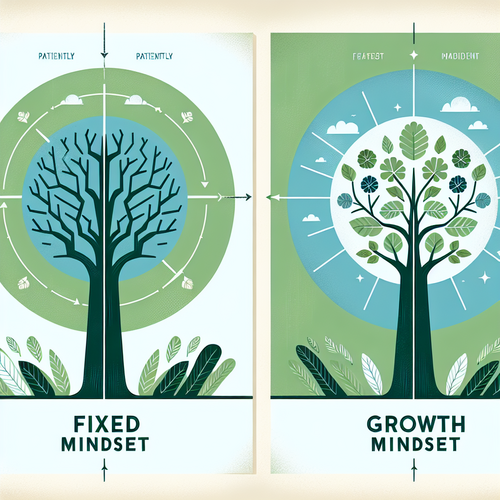

The terms “fixed mindset” and “growth mindset” have gained popularity, especially in educational and personal development contexts. When people discuss these mindsets, they often refer to how individuals perceive their abilities and intelligence. A fixed mindset indicates a belief that talents are static and unchangeable, while a growth mindset reflects the belief that abilities can develop through effort and learning. This distinction often leads to confusion, as many people struggle to apply these concepts meaningfully to their lives. Common advice about developing a growth mindset can feel vague or incomplete, leaving individuals unsure of how to make actual changes in their thinking and behavior.
What fixed mindset and growth mindset Actually Means
A **fixed mindset** is the belief that one’s abilities, intelligence, and talents are predetermined and cannot be significantly changed. This means that a person with a fixed mindset may avoid challenges, give up easily, and feel threatened by the success of others. In contrast, a **growth mindset** is the belief that abilities can be developed through dedication, hard work, and learning. People with a growth mindset embrace challenges, persist in the face of setbacks, and view effort as a path to mastery.
It is important to note that having a fixed or growth mindset does not refer to someone’s permanent state; instead, individuals may exhibit characteristics of both mindsets in different areas of their lives. A common misconception is that personifying these two mindsets means one is good and the other is bad. In reality, both mindsets exist on a spectrum, and one’s experiences and environment can influence where they fall.
Why People Struggle With fixed mindset and growth mindset
Many people struggle with fixed and growth mindsets due to psychological and emotional factors. For instance, someone with a fixed mindset may fear failure because it threatens their self-esteem. This fear can lead to avoidance of challenges, resulting in stagnation and missed opportunities. Conversely, individuals with a growth mindset may struggle with the discomfort that comes from facing challenges and receiving feedback. This discomfort can create anxiety and hesitation, making it difficult to fully engage with the growth process.
The underlying mechanism at play is that our mindset shapes our reactions to success and failure. When individuals perceive their abilities as static, they may not put in the necessary effort to improve, leading to reinforcement of their fixed mindset. Similarly, if someone with a growth mindset encounters repeated failures without the right support, they may revert to fixed thinking due to frustration and self-doubt.
How fixed mindset and growth mindset Actually Works
Understanding how fixed and growth mindsets operate requires looking deeper beneath the surface. In a fixed mindset, individuals often prioritize immediate performance over the process of learning. They equate success with innate ability, which leads to anxiety over showing their weaknesses. In contrast, growth mindset individuals focus on development and learning, viewing challenges as opportunities and failures as valuable lessons.
An analogy can help illustrate this: consider a seed. A seed needs the right environment, care, and time to grow into a flourishing plant. Similarly, a growth mindset requires nurturing; individuals must create a conducive environment where effort and perseverance are valued. Notably, terms like “neuroplasticity” refer to the brain’s ability to reorganize itself through growth and experience—showing that growth is indeed possible.
A Practical Framework for Understanding fixed mindset and growth mindset
One effective framework for understanding the fixed and growth mindsets is the **Mindset Spectrum**, which consists of five stages:
1. **Awareness**: Recognizing one’s current mindset, whether fixed or growth.
2. **Understanding**: Identifying how this mindset influences behavior and decision-making.
3. **Challenge**: Actively seeking out challenges that push boundaries and prompt growth.
4. **Resilience**: Learning to bounce back from setbacks and view them as learning opportunities.
5. **Integration**: Incorporating a growth mindset into daily life, making it a natural part of one’s approach.
Individuals typically move through these stages over time, progressing from a lack of awareness to fully integrating a growth mindset into their identity.
What Changes When fixed mindset and growth mindset Starts Working
When a growth mindset starts to take root, individuals experience notable changes in their thinking and emotional responses. They become more resilient, embracing challenges rather than avoiding them. This shift leads to increased motivation and a commitment to learning, which can enhance problem-solving skills and creativity. As behaviour changes, individuals often collaborate more effectively and seek feedback to facilitate personal growth.
The key outcomes of this shift include greater emotional stability in the face of setbacks and a more positive outlook on future challenges. This works because a growth mindset reframes failures as stepping stones rather than roadblocks.
Common Misconceptions About fixed mindset and growth mindset and Why They Fail
1. **Myth: You Either Have One Mindset or the Other**: Many believe that people fall strictly into one mindset category. In reality, individuals can exhibit both mindsets in different areas of their lives.
2. **Myth: A Growth Mindset Means Always Being Positive**: Some may think that a growth mindset requires constant positivity. Genuine growth also involves recognizing and addressing difficulties and negative emotions.
3. **Myth: Adopting a Growth Mindset Solves All Problems**: While beneficial, simply adopting a growth mindset doesn’t eliminate challenges or failures. Individuals still need to engage actively in their growth process.
4. **Myth: Intelligence is Fixed**: This misconception can undermine efforts to develop a growth mindset. Scientific research on neuroplasticity shows that intelligence can be developed through learning and experience.
5. **Myth: Talent is More Important than Effort**: This belief can lead to a fixed mindset, where individuals undervalue hard work. In reality, sustained effort often yields better results than innate talent alone.
Frequently Asked Questions About fixed mindset and growth mindset
**What is the difference between a fixed mindset and a growth mindset?**
A fixed mindset believes abilities are static, while a growth mindset believes abilities can be developed over time through effort and learning.
**How can I develop a growth mindset?**
You can develop a growth mindset by embracing challenges, viewing failures as opportunities to learn, and seeking constructive feedback.
**Why is having a growth mindset important?**
A growth mindset can lead to greater resilience, motivation, and ultimately improved performance and satisfaction in various areas of life.
**What if I feel stuck in a fixed mindset?**
Feeling stuck is common. Try to identify specific areas where you demonstrate a fixed mindset, then set small challenges to gradually develop a growth perspective.
**Can my mindset change over time?**
Yes, mindsets can change based on experiences and intentions. With effort and practice, you can actively shift from a fixed to a growth mindset.
**How does feedback affect my mindset?**
Feedback can reinforce either mindset. Positive, constructive feedback supports a growth mindset, while criticism without support can strengthen a fixed mindset.
**Is it possible to revert to a fixed mindset?**
Yes, if faced with repeated failures or discouragement without the right support, individuals can revert to a fixed mindset.
**What role do parents and educators play in mindset development?**
Parents and educators can influence mindset by emphasizing effort, praising progress, and encouraging resilience in the face of challenges.
**How do I recognize a fixed mindset in myself?**
Common signs include avoiding challenges, feeling threatened by others’ success, or viewing effort as fruitless. Self-reflection can help identify these patterns.
**What are some practical steps to encourage a growth mindset in others?**
Encourage challenges, celebrate effort, provide constructive feedback, and model a growth mindset through your own actions.
Conclusion
In summary, understanding fixed and growth mindsets is essential for personal development and effective learning. These mindsets influence how individuals perceive their abilities and respond to challenges. Shifting from a fixed to a growth mindset involves awareness of one’s current thinking patterns and a commitment to embracing challenges and learning from experiences. By understanding these mechanisms, individuals can better navigate their personal growth journey and foster resilience in themselves and others.
