Growth mindset v fixed mindset: What It Really Means and Why It Matters
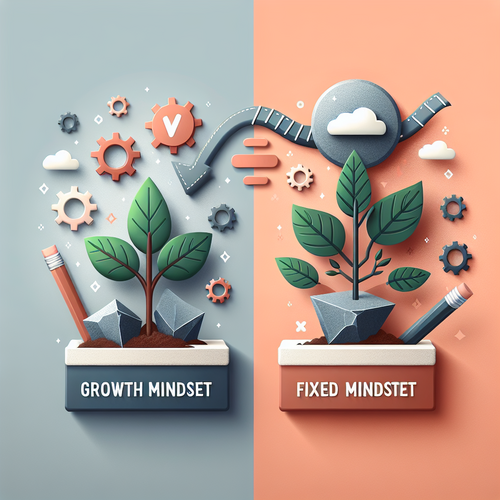

When discussing “growth mindset v fixed mindset,” people often refer to different ways of thinking about abilities and intelligence. A growth mindset believes abilities can be developed through effort and learning, while a fixed mindset views abilities as static traits that cannot change. This framing leads to a core problem: many individuals struggle to adopt a growth mindset due to ingrained beliefs about their abilities. As a result, common advice around developing a growth mindset often feels vague or incomplete, leaving people unsure of how to truly change their thinking patterns.
What Growth mindset v fixed mindset Actually Means
A growth mindset is the belief that intelligence and skills can improve over time with effort, persistence, and education. In contrast, a fixed mindset is the belief that intelligence and skills are predetermined and unchangeable.
It is important to clarify what these mindsets are not. They are not merely about being positive or negative; rather, they involve deep-seated beliefs about the nature of abilities. A common misunderstanding is that people can fit neatly into one category or the other; in reality, individuals may show characteristics of both mindsets in different contexts.
Why People Struggle With Growth mindset v fixed mindset
Psychologically, many people have developed a fixed mindset due to past experiences, societal messages, or educational environments that emphasize innate talent over effort. This fixed view can lead to fear of failure, as individuals may avoid challenges that could expose their perceived limitations.
Emotionally, those with a fixed mindset may feel defensive when receiving criticism because it threatens their self-image. Behaviorally, this results in avoiding risks or challenges that could lead to improvement. The cause-and-effect relationship here is significant; believing that abilities are unchangeable leads to avoidance of effort, which, in turn, reinforces that belief.
How Growth mindset v fixed mindset Actually Works
Beneath the surface, a growth mindset operates on the principle that the brain is capable of developing new neural connections through learning and experience, often referred to as neuroplasticity. This means that when individuals challenge themselves, their brains adapt, leading to improved abilities over time.
An analogy to explain this is comparing the brain to a muscle; just as lifting weights can increase muscle strength, engaging in challenging tasks expands one’s intellectual capacity. The process involves practice, effort, and sometimes failure, which ultimately leads to growth.
A Practical Framework for Understanding Growth mindset v fixed mindset
One effective way to conceptualize the growth and fixed mindsets is through a framework called the “Mindset Spectrum.” This spectrum includes three stages:
1. **Awareness**: Recognizing one’s current mindset. Individuals can assess whether they tend to approach challenges with a growth perspective or a fixed perspective.
2. **Challenge**: Actively facing challenges and accepting that discomfort is part of the learning process. This stage encourages taking risks and experiencing failure as part of growth.
3. **Reflection**: Analyzing experiences to identify what led to growth or setbacks. This stage involves mindful assessment of efforts irrespective of outcomes.
People may move through these stages unevenly, sometimes reverting to earlier stages in the face of failure or self-doubt.
What Changes When Growth mindset v fixed mindset Starts Working
When an individual begins to adopt a growth mindset, they often experience a shift in their thinking. They start to view challenges as opportunities rather than threats, leading to reduced anxiety about failure.
Emotionally, they may feel more resilient and open to feedback, accepting it as a tool for growth rather than a personal attack. Behaviorally, individuals are more likely to engage in challenges and seek out learning opportunities, which eventually leads to improved capabilities and skills.
Common Misconceptions About Growth mindset v fixed mindset and Why They Fail
1. **Myth: Growth mindset means always being positive.** This fails because a growth mindset accepts negative feelings and setbacks as part of the learning process.
2. **Myth: You have to completely abandon a fixed mindset.** This is incorrect; most people can exhibit both mindsets in different situations.
3. **Myth: Growth mindset guarantees success.** While it fosters resilience, this mindset does not eliminate challenges and failures; it prepares individuals to navigate them.
4. **Myth: Fixed mindset people cannot change.** This is misleading; change is possible, but it often requires sustained effort and support.
5. **Myth: You can instantly switch to a growth mindset.** This misconception overlooks the gradual nature of developing new beliefs and practices.
Frequently Asked Questions About Growth mindset v fixed mindset
**What is the difference between growth and fixed mindset?**
The growth mindset believes abilities can be improved, while the fixed mindset sees them as static.
**How can I develop a growth mindset?**
Start by recognizing your current mindset, embrace challenges, and reflect on your learning experiences.
**What if I feel stuck in a fixed mindset?**
It’s normal to feel this way. Acknowledge it and take small steps toward challenging your beliefs about abilities.
**Can I have a growth mindset in one area but a fixed mindset in another?**
Yes, individuals often exhibit different mindsets across various domains, like sports versus academics.
**Why is a growth mindset important?**
It encourages continuous learning and resilience in the face of challenges, leading to long-term growth.
**How does a growth mindset affect performance?**
People with a growth mindset are more likely to engage in effortful learning, which usually results in improved performance.
**What role do failures play in a growth mindset?**
Failures are seen as valuable learning experiences that provide insights for future success.
**Can teachers influence students’ mindsets?**
Yes, teachers can foster students’ growth mindsets by encouraging effort, providing constructive feedback, and emphasizing the learning process.
Conclusion
Understanding the difference between a growth mindset and a fixed mindset is crucial for personal development. A growth mindset allows individuals to embrace challenges, learn from failures, and ultimately build their abilities over time. This works because it encourages a perspective that values effort and continuous learning, leading to a more resilient and adaptable approach to both personal and professional challenges.
