fixed growth mindset: What It Really Means and Why It Matters
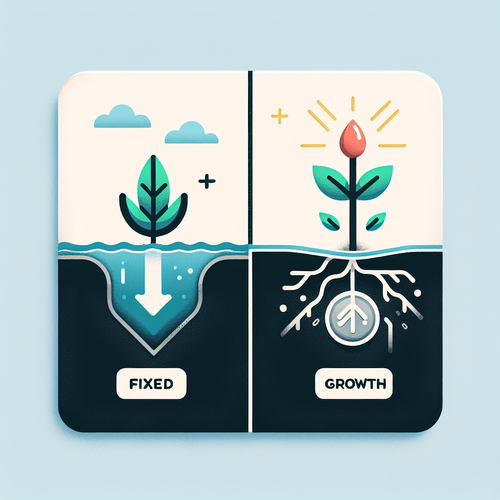

In conversations about personal development and learning, the term “fixed growth mindset” may come up, but it often causes confusion. People typically use the term to describe a misunderstanding of the broader idea of “growth mindset,” which was popularized by psychologist Carol Dweck. While the growth mindset encourages the belief that abilities can develop through effort and persistence, a “fixed growth mindset” suggests a paradox where individuals believe their potential is limited. This misunderstanding might lead to frustration when common advice about cultivating a growth mindset seems unhelpful. Often, advice focuses on effort without addressing the deep-seated beliefs people have about their abilities, creating a gap in understanding and application.
What fixed growth mindset Actually Means
A “fixed growth mindset” is best understood as a belief that one’s abilities or intelligence are static, yet still intertwined with the idea of growth. It implies that while people might aspire to improve, they fundamentally believe their basic capabilities are predetermined and unchangeable.
It is important to clarify what it is NOT: a fixed growth mindset does not mean a person has a growth mindset. The term confuses the two conceptions; a true growth mindset recognizes the ability to develop through experience, effort, and learning.
A common misunderstanding is that adopting a growth mindset alone will result in change. Critics may believe that simply wanting to grow and improve is enough without addressing the underlying beliefs about one’s capabilities.
Why People Struggle With fixed growth mindset
Individuals often struggle with a fixed growth mindset due to various psychological and emotional factors. A strong emphasis on performance and comparison from early relationships—such as with parents or educators—can create anxiety over making mistakes. When individuals derive their self-worth from a fixed perception of abilities, they may fear failure since it threatens their identity.
This leads to avoidance behaviors: people might give up easily or shy away from challenges because they believe they don’t have the inherent talent. The internal dialogue often includes thoughts like, “I’m just not good at this,” which reinforces a belief in fixed limitations rather than potential for growth.
How fixed growth mindset Actually Works
Beneath the surface, a fixed growth mindset operates on a cycle of self-fulfilling prophecies. When individuals perceive their skills as static, they are less likely to engage in learning opportunities.
For example, if a student believes they are “bad at math,” this leads to reduced effort and practice in math-related activities. This is where the mechanism of belief impacts behavior: because they believe they can’t change, they don’t try, and therefore, they don’t improve.
A helpful analogy is that of a muscle: if you believe your muscle cannot grow, you’re less likely to engage in exercises that promote growth. In this way, the mindset directly influences action and outcome.
A Practical Framework for Understanding fixed growth mindset
To better grasp the concept of fixed growth mindset, we can use the “Mindset Development Framework.” This framework consists of three stages: Awareness, Challenge, and Transformation.
1. **Awareness**: Individuals recognize their fixed beliefs about abilities. This includes acknowledging limiting thoughts and behaviors.
2. **Challenge**: Once aware, they begin to question these beliefs. This stage involves confronting fears and trying new tasks, which creates discomfort.
3. **Transformation**: Continual practice and reflection on efforts lead to gradual changes in mindset. People begin to see successes from challenges and feel the potential for growth.
As individuals navigate through these stages, they start shifting their understanding towards a more functional growth mindset.
What Changes When fixed growth mindset Starts Working
When someone begins to move beyond a fixed growth mindset, several positive changes occur. Thinking becomes more flexible; instead of “I can’t do this,” individuals begin to say, “I can improve with practice.” This change in self-talk can lead to increased motivation to tackle challenges.
Emotionally, there’s a reduction in anxiety connected to performance, as the focus shifts from proving oneself to improving oneself. Behaviorally, individuals become more willing to engage in new tasks and persist even when faced with difficulties, leading to skill development over time.
Common Misconceptions About fixed growth mindset and Why They Fail
1. **Believing effort alone guarantees success**: While hard work is essential, effort without a willingness to learn and adapt does not lead to growth.
2. **Thinking everyone with a growth mindset will naturally succeed**: Not all who desire growth will achieve it without confronting deeper, limiting beliefs.
3. **Assuming growth mindset is a one-time switch**: Changing one’s mindset is an ongoing process, requiring continual self-reflection and challenge.
4. **Misunderstanding failure as an endpoint**: Rather than viewing failure as a setback, embracing it as part of the learning process is vital for developing a genuine growth mindset.
Frequently Asked Questions About fixed growth mindset
1. **What is the difference between a fixed mindset and a fixed growth mindset?**
A fixed mindset believes abilities are static, while a fixed growth mindset acknowledges the potential for growth but is still rooted in limiting beliefs about one’s capabilities.
2. **Why is it important to understand fixed growth mindset?**
Understanding this concept can help identify barriers to personal development and motivate individuals to seek deeper change.
3. **How do I know if I have a fixed growth mindset?**
Reflect on your responses to challenges and failures. If you often feel trapped by perceived limitations, you may have a fixed growth mindset.
4. **What if I want to change my fixed growth mindset?**
Start by recognizing your belief patterns, challenge these thoughts, and embrace new learning experiences that feel uncomfortable.
5. **Can children develop a fixed growth mindset?**
Yes, children can develop this mindset based on feedback and experiences, particularly in performance-oriented environments.
6. **Is it too late to shift from a fixed growth mindset?**
No, people can change their mindset at any point, though it often requires sustained effort and reflection.
7. **How do I deal with setbacks when trying to change my mindset?**
View setbacks as learning opportunities; analyze what went wrong and adjust your approach based on that experience.
8. **What role do teachers play in shaping mindset?**
Teachers can influence mindsets through their feedback and approach to challenges, promoting growth over performance.
Conclusion
The core mechanism behind a fixed growth mindset stems from the tension between the desire to grow and the belief in fixed limitations. Understanding this dynamic is crucial for fostering real change. By recognizing and addressing limiting beliefs, individuals can shift towards a more flexible growth mindset. This transformation opens the door to learning, resilience, and personal development. Ultimately, moving from a fixed growth mindset involves continuous self-reflection and a willingness to embrace challenges without fear.
