Changing Your Mindset: What It Really Means and Why It Matters
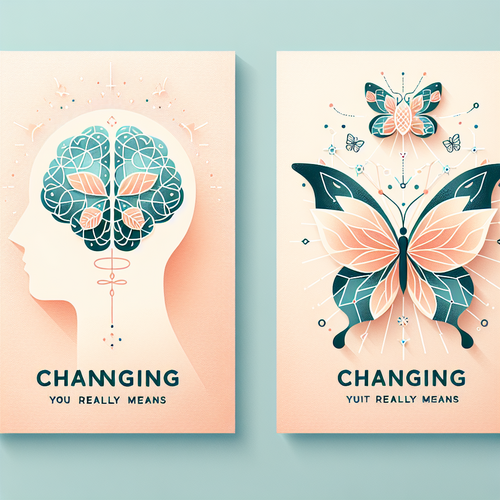

Changing your mindset refers to the process of altering the way you think about challenges, abilities, and opportunities. When people discuss this idea, they often mean shifting from a fixed mindset, where one believes that abilities are static and unchangeable, to a growth mindset, where one views abilities as developable through effort and learning. Many individuals struggle with this concept because changing your mindset can feel abstract or overwhelming, and common advice often lacks depth and practical application. This leaves people feeling stuck, unsure of how to make tangible changes in their thinking patterns.
What Changing Your Mindset Actually Means
Changing your mindset is the conscious effort to reshape how you perceive situations, especially in relation to performance, effort, and learning. It involves recognizing and modifying limiting beliefs, ultimately enabling personal growth and resilience.
However, changing your mindset is NOT simply thinking positively or repeating affirmations. It’s more than just wishing for different outcomes; it actively involves challenging and reframing existing beliefs. A common misunderstanding is that this process is quick or easy, when in fact, it often requires time, persistence, and self-reflection.
Why People Struggle With Changing Your Mindset
People often struggle with changing their mindset for several psychological and emotional reasons. One major contributor is fear of failure. When individuals believe that effort won’t change their inherent abilities, they may avoid challenges altogether. This leads to a cycle of inaction and reinforces their fixed mindset.
Additionally, social influences can play a significant role. Observing peers or role models who emphasize natural talent over hard work can reinforce the belief that abilities are unchangeable. This social reinforcement can hinder the willingness to adopt a growth mindset.
The emotional aspect, such as low self-esteem or anxiety about change, can also create resistance. When individuals have negative experiences linked to past efforts, they may generalize that failure to future endeavors, creating a strong aversion to attempting change.
How Changing Your Mindset Actually Works
Changing your mindset involves several cognitive processes that occur beneath the surface. It starts with self-awareness—recognizing your current thoughts and beliefs about your abilities. This awareness is the first step towards transformation.
Next, it involves cognitive reframing, where you consciously challenge negative thoughts and replace them with more constructive ones. For example, instead of thinking, “I can’t do this,” you might reframe it as, “I can learn to do this with practice.”
Another component is neuroplasticity, the brain’s ability to reorganize itself by forming new neural connections. This means that as you practice new ways of thinking, your brain can physically change, reinforcing the new mindset.
A Practical Framework for Understanding Changing Your Mindset
One helpful framework for understanding changing your mindset is the “Mindset Shift Model.” This model consists of four stages:
1. **Awareness**: Recognizing existing beliefs that limit growth.
2. **Challenge**: Actively questioning and disputing those beliefs.
3. **Reframe**: Creating new, supportive thoughts that encourage a growth-oriented approach.
4. **Integrate**: Practicing new beliefs consistently until they become part of your default thinking.
People typically move through these stages over time, often looping back to earlier stages as they encounter new challenges or experiences.
What Changes When Changing Your Mindset Starts Working
When changing your mindset starts to take effect, notable changes occur in your thinking, emotional responses, and behavior. You may notice increased openness to challenges, where you begin to see them as opportunities for growth rather than threats.
Emotionally, individuals often experience a reduction in anxiety related to performance, replacing it with excitement about learning and improvement. Behaviorally, there is a shift towards persistence—being more willing to put in the effort required to achieve goals, even in the face of setbacks.
Common Misconceptions About Changing Your Mindset and Why They Fail
1. **It’s Just Positive Thinking**: Many believe that simply thinking positively will change their mindset, but true change requires deeper work, including addressing underlying beliefs.
2. **It’s Quick**: People expect immediate results, but mindset change is typically gradual and requires ongoing effort and reinforcement.
3. **It Only Works for Certain People**: This misconception assumes that only some individuals can benefit; however, anyone can develop a growth mindset with dedication.
4. **It Means Ignoring Reality**: Some think a growth mindset involves denial of real challenges. Instead, it’s about acknowledging difficulties while still believing in the potential for growth.
5. **Failure is Bad**: People often believe that failure indicates a lack of ability, but in a growth mindset, failure is seen as a necessary step towards learning and improvement.
Frequently Asked Questions About Changing Your Mindset
**What does changing your mindset mean?**
It means altering how you think about your abilities and potential, often moving from a fixed to a growth-oriented perspective.
**Why is changing your mindset important?**
It helps you overcome obstacles, embrace challenges, and learn from mistakes, leading to personal and professional development.
**How do I start changing my mindset?**
Begin with self-awareness by identifying limiting beliefs, then challenge and reframe those thoughts.
**What if I fail at changing my mindset?**
Failure is part of the process. Each setback can be an opportunity for learning and growth as you continue to challenge your thoughts.
**Can anyone change their mindset?**
Yes, individuals of all backgrounds can change their mindset with effort, awareness, and practice.
**How long does it take to change a mindset?**
The time varies for everyone; it can take weeks or months of consistent effort to see noticeable changes.
**What are the benefits of a growth mindset?**
Benefits include increased resilience, improved performance, and a greater willingness to take on challenges and learn.
**What if my environment is negative?**
While a supportive environment helps, you can still work on changing your mindset independently through awareness and practice.
Conclusion
Changing your mindset is fundamentally about reshaping your cognitive frameworks to promote growth and resilience. This process involves gaining self-awareness, challenging limiting beliefs, creating new, supportive thoughts, and practicing these changes consistently. Recognizing that mindset change is both a personal and gradual journey can lead to more meaningful transformation and understanding. Embracing this complexity is crucial for achieving lasting growth.
