power of yet: What It Really Means and Why It Matters
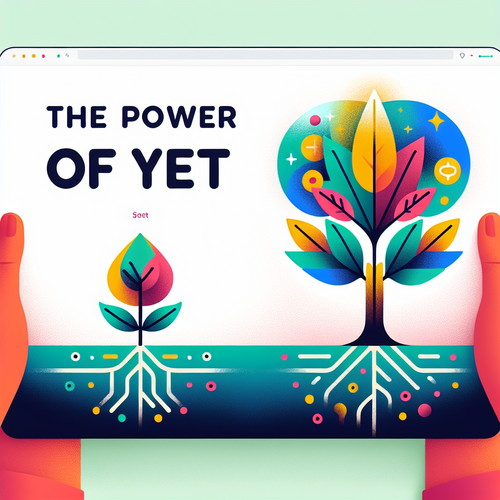

The “power of yet” is a phrase popularized by educator Carol Dweck in her research on mindset and learning. When people refer to the power of yet, they usually mean the positive effect of adopting a growth mindset—the belief that abilities and intelligence can be developed over time. This concept often helps individuals persist through challenges instead of feeling defeated by their current limitations. However, many people feel uncertain about how to apply this idea in real life. They often find the advice to focus on the “yet” to feel vague or unhelpful, especially when faced with tangible obstacles to their goals.
What power of yet Actually Means
The power of yet involves recognizing that the current inability to accomplish a task does not mean it will always be impossible. It is a way of reframing a thought or statement. For example, instead of saying, “I can’t do this,” one might say, “I can’t do this yet.”
What it is NOT: The power of yet isn’t simply about being positive or repeating affirmations. It’s more about understanding that progress takes time and effort.
Common misunderstandings include the idea that the power of yet means one will eventually succeed without effort. This is incorrect. The power of yet emphasizes persistence and ongoing learning rather than passive waiting for success.
Why People Struggle With power of yet
Several psychological, emotional, and behavioral factors contribute to people’s struggles with embracing the power of yet. For instance, the fear of failure can be paralyzing, leading individuals to avoid challenges altogether. This fear often lowers self-esteem, causing people to believe they are not capable, which reinforces a fixed mindset where they think their abilities are set in stone.
Additionally, societal pressures and comparisons to others can result in discouragement, making it hard to recognize personal growth journeys. The power of yet struggles come from a misconception that one should be proficient immediately, which is unrealistic. This leads to frustration and a tendency to give up instead of continuing to strive toward goals.
How power of yet Actually Works
Beneath the surface of the power of yet lies a process of cognitive restructuring. When you reframe your thoughts to include “yet,” you shift from a fixed viewpoint to one that allows for development and growth.
An analogy can be drawn with a flower growing. Just as a seed may take time to break through the soil, individuals may need time to develop skills. This process involves stages of learning, trial and error, and receiving feedback. Technical terms like “growth mindset” are easily understood here: it refers to the belief that one’s abilities can improve with effort and learning, as opposed to being static.
A Practical Framework for Understanding power of yet
One practical framework for understanding the power of yet is the “Learning Ladder,” which consists of four stages:
1. **Unconscious Incompetence**: At this stage, you don’t know what you don’t know. You may not even realize that a skill or knowledge area is lacking.
2. **Conscious Incompetence**: Here, you become aware of your shortcomings. This can be discouraging, but it’s where the power of yet begins.
3. **Conscious Competence**: You start to gain skill but need to think through each action actively. The power of yet is crucial here, as you understand that practice will lead to improvement.
4. **Unconscious Competence**: You reach a level where the skill becomes second nature. Reflecting back, one realizes the journey was important for growth.
People typically move through these stages by recognizing their limitations, practicing, and receiving feedback over time.
What Changes When power of yet Starts Working
When the power of yet is actively embraced, people often see changes in their thinking and behavior. For example, they may begin to approach challenges with curiosity rather than fear. This leads to increased resilience, as failures are viewed as opportunities to learn rather than dead ends. Emotionally, individuals may experience reduced anxiety and an increased sense of agency, understanding that success is a journey rather than an endpoint.
Common Misconceptions About power of yet and Why They Fail
1. **It’s Just Positive Thinking**: People sometimes think simply acknowledging “yet” will magically lead to success. However, effort and persistence are crucial.
2. **It Means You Will Eventually Succeed**: The power of yet does not guarantee success but emphasizes growth through effort.
3. **You Must Always Be Optimistic**: It’s okay to acknowledge difficulties while still believing in future possibilities.
4. **The Journey is Linear**: Learning involves ups and downs. The power of yet allows for a non-linear understanding of progress.
5. **It’s Only for Education**: The power of yet applies to all aspects of life, including personal and professional development.
Frequently Asked Questions About power of yet
**What does the power of yet mean?**
It means recognizing that you may not currently have a skill or knowledge, but with effort and persistence, you can develop it over time.
**Why is the power of yet important?**
This concept encourages resilience and a positive approach to challenges, enabling personal growth and learning.
**How can I incorporate the power of yet into my daily life?**
You can start by reframing negative thoughts about your abilities to include “yet,” which helps cultivate a growth mindset.
**What if I try and still fail?**
Failure is a part of the learning process. The power of yet helps you see failures as opportunities to learn rather than as final results.
**Can the power of yet apply to adults as well?**
Absolutely. It is relevant for anyone at any age or stage in life facing new challenges.
**How does the power of yet affect motivation?**
It can boost motivation by framing challenges as experiences to grow from, rather than as threats to fear.
**What role does feedback play in the power of yet?**
Constructive feedback is essential as it helps individuals understand areas requiring improvement, thus fostering growth.
**How does a fixed mindset differ from the power of yet?**
A fixed mindset assumes abilities are static, while the power of yet emphasizes that abilities can be developed over time.
**What if I don’t see progress?**
Not seeing immediate progress is common. The power of yet reminds you that growth takes time and involves ups and downs.
Conclusion
The power of yet is a valuable cognitive tool that encourages individuals to view their current limitations as temporary. By understanding that skills can develop with time and effort, people can cultivate resilience and motivation, leading to improved outcomes in various aspects of life. Embracing the power of yet allows for a more compassionate self-view and a healthier approach to challenges.
