fixed mindset and growth mindset: What It Really Means and Why It Matters
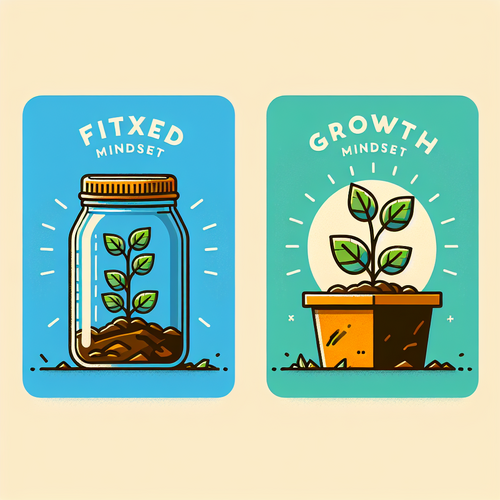

The concepts of “fixed mindset” and “growth mindset” often come up in discussions about personal development and education. Generally, when people refer to these terms, they are discussing the beliefs individuals hold about their own abilities and intelligence. A fixed mindset assumes that skills and intelligence are static, which can lead to avoidance of challenges and a fear of failure. In contrast, a growth mindset embraces the idea that abilities can be developed through effort and learning. However, this distinction can sometimes lead to confusion about how these mindsets operate and why they matter in everyday life. Many people find that common advice on adopting a growth mindset feels incomplete or hard to apply in real situations, which can hinder their progress.
What fixed mindset and growth mindset Actually Means
A **fixed mindset** is the belief that one’s abilities—such as intelligence, talent, and skills—are inherent and unchangeable. Individuals with a fixed mindset often perceive failure as a reflection of their abilities, leading them to avoid tasks that pose a risk to their self-esteem.
Conversely, a **growth mindset** is the belief that abilities can be developed through dedication, effort, and resilience. People with a growth mindset view challenges as opportunities to learn, and they are more likely to embrace difficulties rather than shy away from them.
It’s essential to clarify that having a growth mindset doesn’t mean one believes anyone can achieve anything without effort. Instead, it acknowledges that improvement is possible with time and practice.
Why People Struggle With fixed mindset and growth mindset
The struggle with adopting a growth mindset often stems from psychological, emotional, and behavioral factors. When individuals have a fixed mindset, they may feel threatened by challenges. This threat can trigger anxiety and insecurity, as they fear that failure will reveal their limitations.
For example, a student who believes they are not good at math might avoid math classes and choose alternative subjects, reinforcing their fixed mindset. This avoidance of challenges leads to a lack of skill development over time, which confirms their belief that they cannot improve.
Moreover, social environment plays a significant role. If praise is mainly given for innate ability rather than effort, individuals may internalize a fixed mindset. This leads to a cycle where lack of effort results in little growth, further enforcing their beliefs about their abilities.
How fixed mindset and growth mindset Actually Works
At a deeper level, these mindsets are rooted in how people process information and experiences. Imagine two athletes: one believes their talent is inherent (fixed mindset), while the other knows that training can enhance their performance (growth mindset).
This works because the first athlete is likely to experience consistent setbacks with a sense of defeat, leading to decreased motivation and performance. In contrast, the second athlete views setbacks as part of the learning process, leading to persistence and gradual improvement.
The psychological mechanism that underlies these processes is called *neuroplasticity*, which refers to the brain’s ability to reorganize itself by forming new neural connections throughout life. A growth mindset activates this process, encouraging individuals to approach learning and challenges in a way that allows for development.
A Practical Framework for Understanding fixed mindset and growth mindset
To better understand how these mindsets operate, consider the **Mindset Spectrum** framework. This framework suggests that individuals can be positioned along a spectrum between fixed and growth mindsets, which can be broken down into five stages:
1. **Awareness**: Recognizing one’s current mindset.
2. **Understanding**: Learning about the implications of fixed and growth mindsets.
3. **Reframing**: Shifting perspectives to embrace challenges.
4. **Practice**: Actively applying growth mindset principles in real-life situations.
5. **Mastery**: Developing an ongoing commitment to learning and growth.
Individuals typically move through these stages over time, often oscillating between fixed and growth mindsets based on their experiences.
What Changes When fixed mindset and growth mindset Starts Working
When a growth mindset begins to take root, individuals experience significant changes in their thinking, emotional responses, and behaviors. They become more open to accepting challenges and viewing failure as a component of learning rather than a definitive judgment of their ability.
This leads to enhanced resilience, where individuals bounce back from setbacks more effectively. They are likely to adopt additional strategies for personal and professional development as their belief in the ability to improve strengthens.
Common Misconceptions About fixed mindset and growth mindset and Why They Fail
1. **Mindsets Are Fixed**: Many people think once someone has a fixed mindset, they cannot change. This is untrue; anyone can develop a growth mindset over time with effort and practice.
2. **Growth Mindset Equals Overconfidence**: Some believe that advocating for growth mindset leads to an unrealistic view of abilities. A growth mindset emphasizes effort and learning rather than an expectation of immediate success.
3. **This Is Just About Education**: People often think the concept is relevant only in academic settings. In reality, it applies to all areas of life, including work and personal relationships.
4. **You Only Need a Growth Mindset to Succeed**: Having a growth mindset alone isn’t enough; it must be complemented by strategies and actions to achieve goals.
5. **Everyone Is Either Fixed or Growth**: Many believe individuals strictly belong to one category. In truth, mindsets can vary across different areas of life.
Frequently Asked Questions About fixed mindset and growth mindset
1. **What is the main difference between fixed mindset and growth mindset?**
– The main difference is that a fixed mindset believes abilities are unchangeable, while a growth mindset believes abilities can develop with effort.
2. **How can I tell if I have a fixed mindset?**
– You might have a fixed mindset if you avoid challenges, feel threatened by others’ success, or see effort as fruitless.
3. **Why is having a growth mindset important?**
– A growth mindset encourages resilience and a love for learning, allowing individuals to embrace challenges and improve over time.
4. **What if I struggle to adopt a growth mindset?**
– It’s normal to struggle. Start by recognizing fixed thoughts and consciously challenging them to build a more growth-oriented perspective.
5. **Can a growth mindset help in my career?**
– Yes, a growth mindset can help you develop new skills, navigate challenges better, and improve your professional relationships.
6. **Is it possible to have both mindsets?**
– Yes, individuals can exhibit both mindsets in different areas of their lives or at different times.
7. **How do I encourage a growth mindset in others?**
– Encourage effort, celebrate learning, and model resilience in the face of setbacks.
8. **Can mindset change impact performance?**
– Yes, adopting a growth mindset can significantly improve performance as it promotes persistence and a proactive approach to learning.
Conclusion
In summary, the core mechanism behind fixed mindset and growth mindset relates to how individuals perceive their abilities and challenges. A fixed mindset can lead to avoidance and stagnation, while a growth mindset promotes resilience and learning. By understanding these mindsets, individuals can begin to recognize their thought patterns and make conscious efforts toward embracing growth, which can lead to greater fulfillment and success in various aspects of life.
